Best Quality Firewood Supply
When picking premium firewood for residential and commercial use, opt for hardwoods like oak, maple, and hickory. These timber options provide extended burn times and generate higher heat, and decrease the number of refills because of their dense composition. Verify the moisture content stays below 20% for efficient combustion and low smoke output. When evaluating eco-friendly options, prioritize sustainably sourced hardwoods. By adhering to these principles, you'll find firewood that optimizes efficiency and environmental responsibility-discover essential insights ahead.
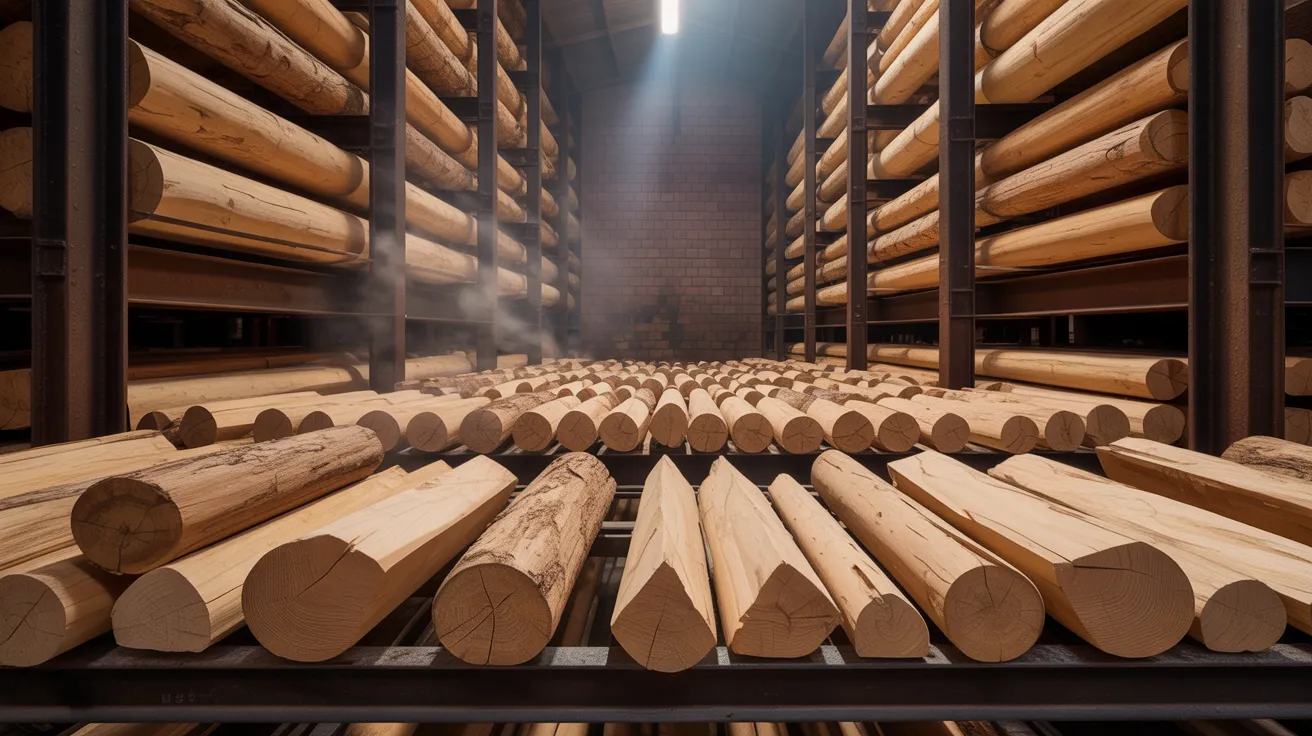
Core Findings
- Hardwood species such as maple and oak are highly regarded for their exceptional heat generation and extended combustion period.
- Choose seasoned firewood with a moisture content below 20% to ensure efficient combustion.
- Choose hardwoods over softer wood varieties to minimize smoke output and creosote deposits.
- Select sustainable wood to ensure eco-friendly wood burning practices.
- Obtaining firewood from local sources decreases both shipping costs and ecological footprint.
Important Factors When Selecting Firewood
While picking firewood, understanding key factors can greatly impact your heat output and general experience. Initially, check the moisture level of the wood. Optimally, it should be under 20% to provide effective burning and minimal smoke production. Too much moisture leads to inefficient combustion, leading to creosote accumulation in chimneys and increased pollution.
Next, let's examine the type of wood. Different species have varying energy outputs and burn characteristics. Hardwoods generally provide better heat production and extended burning, making them preferable for reliable heat. However, some softwoods ignite more easily and are perfect for kindling. Consider your requirements and storage space when choosing the right species. When you consider proper wood selection and moisture content, you'll improve your wood-burning results.
Choosing Between Hardwood and Softwood: What You Need to Know
Selecting the right type of wood can greatly enhance your heating experience. Hardwood delivers outstanding benefits, making it an optimal choice for many. It burns longer and provides more heat, due to its solid composition. You'll find hardwoods like maple and oak especially efficient, as they generate less smoke and residue, minimizing maintenance on heating appliances. Conversely, softwoods, including pine or fir, have significant drawbacks. They deteriorate more rapidly and generate more smoke, leading to increased creosote buildup, which poses a fire hazard. While softwoods are simpler to light, they aren't suitable for sustained heat. Assess your specific needs and weigh the hardwood benefits against softwood drawbacks to select the ideal option for your property.
Premium Firewood Selections for Home Heating
For those seeking to enhance your home heating efficiency, picking the right firewood is crucial. Choose hardwoods like hickory, oak, and maple, which offer superior heat output due to their compact composition. These woods last longer and deliver higher heat output compared to softwoods. Factor in the seasonal access of your preferred wood variety. Oak, for example, is widely available in many regions, making it a solid selection throughout the winter season. Ensure your firewood is adequately dried, with a moisture content below 20%, to improve burn performance and decrease creosote buildup. Stay away from green or freshly cut wood, as it provides inefficient heating and may create smoking problems. By picking the right firewood, you'll improve energy output and ensure a warm home environment.
Top Firewood Choices for Commercial Use
For companies in need of ideal firewood for commercial purposes, it's crucial to prioritize operational efficiency. Initially, select hardwoods like oak, hickory, and maple thanks to their high heat output and longer burn times. These firewood options reduce the requirement for refueling, leading to savings on time and labor costs. Alternatively, softwoods including pine are less economical, burning more quickly and producing more creosote. Take into account commercial availability; local procurement can lower transportation costs and facilitate timely delivery. Build partnerships with trustworthy suppliers who ensure consistent quality and quantity. Purchase seasoned wood, as it's drier and burns cleaner, improving both performance and safety. By carefully choosing the right firewood types and securing commercial availability, you can optimize your business's heating efficiency and reduce operational costs.
Eco-Friendly Firewood Options
Although the environmental impact of firewood is commonly disregarded, choosing eco-friendly firewood can substantially reduce your carbon footprint. To achieve this, emphasize on sustainable sourcing. Choose firewood from managed forests where trees are replenished to ensure ecological balance. Search for certifications like FSC (Forest Stewardship Council) that ensure responsible management practices. Hardwoods like oak and maple burn more efficiently and emit less smoke, improving air quality. Don't use wood treated with chemicals, as they emit harmful toxins during incineration. By picking local firewood, you also decrease emissions related to transportation, additionally reducing your carbon footprint. Implementing these approaches not only aids in environmental conservation but also ensures a greener and more efficient heating solution for your residence or business.
FAQ Section
How Should You Store Firewood to Preserve Quality?
To keep your firewood in top condition, focus on storing wood correctly and controlling moisture levels. Raise the firewood stack enabling air to flow freely around the wood. Shield the upper portion with a protective cover, but leave the sides open to avoid more info trapped moisture. Keep the pile in a sunny, dry location to speed up the drying process. Think about placing pallets to lift the firewood, keeping groundwater at bay. Inspect periodically for indications of pest infestation or mold growth.
How Much Does a Cord of Firewood Typically Cost?
Picture a welcoming hearth as a representation of warmth and comfort, now consider firewood rates. You'll notice that the typical cost of firewood per cord differs substantially, usually ranging from $120 to $400. Factors affecting this include the species of wood, regional needs, and transportation costs. When determining a cord, keep in mind it's a stacked volume of 128 cubic feet. Be sure to compare prices and investigate local suppliers for the most competitive rates.
How Much Time Does Firewood Need to Season?
You should season firewood for a minimum of 6-12 months to guarantee it's properly prepared. The seasoning process decreases firewood moisture to less than 20%, which enhances burning efficiency and minimizes creosote buildup in chimneys. This technique provides important seasoning perks, such as better starting and decreased smoke generation. To achieve ideal results, stack the wood in a dry, ventilated area, elevating it from the ground to facilitate proper air circulation.
Are Pests and Termites Drawn to Firewood Storage?
Imagine firewood like a Trojan horse, discreetly inviting pests and termites into your home. It's true, firewood can attract these uninvited visitors. For successful pest management, keep it no less than 20 feet from your house, keeping it elevated and dry. This helps with termite management, as wet conditions and earth contact create perfect conditions. Perform routine checks and treat any affected wood promptly to secure your home from these unwanted visitors.
Is It Legal to Transport Firewood Across State Lines?
When you're planning to carry firewood across state lines, make sure you're aware of shipping requirements. Many states have specific rules to stop the spread of harmful organisms. Official checks could be needed to guarantee conformity with requirements. Verify the regulations from both the state you're leaving and your target state. It's essential to confirm if any permits are needed and to follow protocols to sidestep violations.
Final Word
When selecting firewood, think about its environmental impact and efficiency. As an example, picture a cozy home using seasoned oak for its powerful heat, while a thriving restaurant employs kiln-dried birch to maintain a stable flame in its oven. These examples demonstrate the importance of choosing the suitable firewood for your requirements. Favor hardwoods for enduring heat and softwoods for kindling. Always make certain your firewood is environmentally sourced to safeguard our forests and reduce your carbon footprint.